

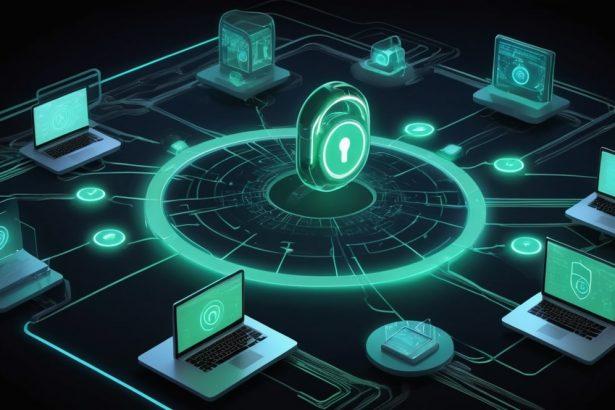

In today’s digital business environment, secure communication, authenticated access, and data integrity are non-negotiable. A breach in any of these areas can cost companies millions, damage reputations, and invite regulatory scrutiny. Public Key Infrastructure (PKI) management systems play a critical role in safeguarding these assets. But what exactly are they, and why should businesses invest in them?
PKI management systems are the backbone of digital trust—they manage encryption keys, digital certificates, and authentication protocols that secure communications across networks, applications, and devices.
Protect Your Business’ Cybersecurity Now!
Protect your business from evolving cyber threats with our tailored cybersecurity solutions designed for companies of all sizes. From malware and phishing to ransomware protection, our multi-license packages ensure comprehensive security across all devices, keeping your sensitive data safe and your operations running smoothly. With advanced features like real-time threat monitoring, endpoint security, and secure data encryption, you can focus on growth while we handle your digital protection. **Request a free quote today** for affordable, scalable solutions and ensure your business stays secure and compliant. Don’t wait—get protected before threats strike!
What Is a PKI Management System?
A PKI (Public Key Infrastructure) management system is software that helps organizations create, distribute, manage, and revoke digital certificates and encryption keys. These systems ensure that data exchanged between users, systems, and applications is encrypted, authenticated, and tamper-proof.
Core Components:
- Certificate Authority (CA): Issues and validates digital certificates.
- Registration Authority (RA): Verifies identities before certificates are issued.
- Certificate Repository: Stores and distributes certificates for validation.
- Key Management: Handles generation, storage, rotation, and revocation of cryptographic keys.
Why PKI Management Matters for Businesses
- Secure Communications:
PKI enables end-to-end encryption for emails, cloud services, and internal networks, ensuring sensitive business data remains confidential. - Authentication and Access Control:
Digital certificates replace passwords, enabling strong authentication for employees, partners, and customers. - Data Integrity:
Digital signatures ensure that critical files or messages haven’t been altered, providing legal and regulatory proof of authenticity. - Regulatory Compliance:
Many industries (finance, healthcare, and government) require encrypted communication and secure authentication as part of compliance standards such as GDPR, HIPAA, and ISO 27001. - Business Continuity:
PKI management systems support disaster recovery by protecting encryption keys and ensuring secure access even during outages.
Key Features to Look for in a PKI Management System
When evaluating PKI management systems for business use, consider the following essential features:
- Automated Certificate Lifecycle Management: Issues, renews, and revokes certificates automatically to reduce downtime.
- Centralized Dashboard: Provides full visibility into keys, certificates, and compliance status.
- Scalable Architecture: Supports the growth of devices, users, and applications across your organization.
- Integration Capabilities: Works seamlessly with existing IT infrastructure, cloud services, and VPNs.
- Audit and Reporting Tools: Helps track certificate usage and key activities for regulatory compliance.
- High Security Standards: Protects private keys using hardware security modules (HSMs) or secure enclaves.
Implementing PKI Management in Your Organization
- Assess Your Security Needs:
Identify systems, applications, and communications that require encryption or authentication. - Choose a PKI Management System:
Select a solution with features that align with your organization’s size, infrastructure, and compliance requirements. - Define Policies and Procedures:
Establish rules for certificate issuance, renewal, revocation, and employee training. - Integrate with Existing Infrastructure:
Ensure compatibility with email servers, cloud platforms, VPNs, and enterprise applications. - Monitor and Audit:
Regularly review certificate usage, key rotations, and compliance logs to prevent security gaps.
Common Challenges and How to Address Them
- Certificate Expiration: Automated reminders and renewal processes prevent service interruptions.
- Complex Key Management: Centralized PKI dashboards and lifecycle automation simplify administration.
- Integration Issues: Choose PKI solutions with strong API support and vendor-provided integration tools.
- Insider Threats: Implement multi-factor authentication and strict access control for PKI administrators.
Real-World Use Cases
- Email Security: Protect sensitive communications with S/MIME certificates.
- Secure Web Traffic: Implement TLS/SSL certificates to encrypt data between web servers and clients.
- VPN Authentication: Ensure employees securely access company networks remotely.
- IoT Device Authentication: Verify the identity of connected devices in smart factories or healthcare environments.
Enhancing PKI Security with Complementary Solutions
PKI management systems are most effective when combined with broader cybersecurity tools:
- Endpoint Protection: Ensure all devices managing certificates are malware-free. Consider SpyHunter Multi-license for businesses to protect endpoints from malware threats. Purchase here
- Security Monitoring: Monitor network activity for anomalies related to certificate misuse.
- Employee Training: Educate staff on secure handling of digital certificates and keys.
Conclusion
For businesses of all sizes, PKI management systems are essential to maintain secure communications, protect sensitive data, and meet regulatory requirements. A strong PKI strategy minimizes the risk of cyberattacks, ensures business continuity, and strengthens trust with clients and partners.
Investing in a robust PKI system, combined with complementary solutions like SpyHunter’s Multi-license business protection, is a proactive approach to comprehensive cybersecurity. Businesses that manage their keys and certificates effectively are far better positioned to defend against modern cyber threats.
Protect Your Business’ Cybersecurity Now!
Protect your business from evolving cyber threats with our tailored cybersecurity solutions designed for companies of all sizes. From malware and phishing to ransomware protection, our multi-license packages ensure comprehensive security across all devices, keeping your sensitive data safe and your operations running smoothly. With advanced features like real-time threat monitoring, endpoint security, and secure data encryption, you can focus on growth while we handle your digital protection. **Request a free quote today** for affordable, scalable solutions and ensure your business stays secure and compliant. Don’t wait—get protected before threats strike!