



Bbh.texbxm.co.ke
The Bbh.texbxm.co.ke domain is a sophisticated social engineering threat designed to exploit the browser’s…


“Your Account Is Secure & Ready” Phishing Scam
The "Your Account Is Secure & Ready" email campaign is a sophisticated social engineering…
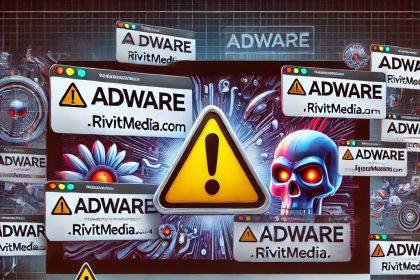
Privacy Protector
Privacy Protector is a deceptive adware strain that masquerades as a security utility.…

Zero Trust Network Architecture: A Complete Guide for Businesses
Learn how Zero Trust Network Architecture protects businesses with strict access controls,…

“HTTP Error 401 ‘Invalid Security Token'” Email Scam
This fake “authentication error” email is a phishing trap designed to steal…

“Cloud Storage Upgrade Available” Email Scam
A phishing email pretending to offer extra cloud storage space is circulating…

Webmail Account Verification Email Scam
The Webmail Account Verification Email Scam is a phishing campaign designed to trick…

Cyber Risk Quantification: How Businesses Turn Cyber Threats Into Measurable Financial Risk
How much could a cyberattack actually cost your business? For many organizations, cybersecurity risks feel abstract—IT teams discuss vulnerabilities, while executives focus on budgets, revenue, and business performance. This disconnect makes it difficult to prioritize security investments. Cyber risk quantification (CRQ) solves this problem by translating cybersecurity risks into financial terms. Instead of vague statements like “high risk,” businesses can estimate potential financial losses from cyber incidents and make better security decisions. For small and medium-sized businesses (SMEs), this approach is becoming increasingly important. Ransomware, data breaches, and malware attacks can cost companies thousands—or even millions—of dollars in recovery costs, legal fees, downtime, and reputational damage. What Is Cyber Risk Quantification? Cyber Risk Quantification (CRQ) is the process of measuring cybersecurity risk in monetary terms. Rather than simply labeling risks as “low,”…

The BISO – How Business Information Security Officers Bridge Security and Business
Contrary to mainstream belief, cybersecurity isn’t just an IT responsibility anymore — it’s a business concern. Organizations are increasingly relying on Business Information Security Officers (BISOs) to ensure that security measures make sense for real-world operations, helping businesses manage risk without slowing down day-to-day activities. BISOs serve as the connection point between technical teams and business units, translating cybersecurity into practical, actionable strategies for the people driving business outcomes. What a BISO Does and Why It Matters Many organizations struggle with cybersecurity policies that feel disconnected from the realities of different business units. A BISO steps in to bridge that gap: By combining technical awareness with business acumen, BISOs help prevent misalignment that can leave organizations vulnerable or slow down critical projects. How Organizations Benefit From a BISO…
TLS Inspection Tools: How Businesses Can See Through Encrypted Traffic
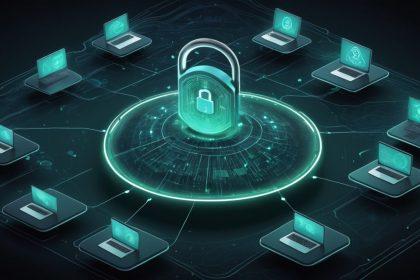
Encrypted traffic is everywhere. From HTTPS websites to cloud applications, TLS encryption keeps data private—but it also creates blind spots for security teams. Without visibility into these encrypted streams, malicious activity can slip past firewalls, malware scanners, and intrusion detection systems. For businesses, this hidden risk can mean ransomware, phishing, or data leaks that no one sees coming. TLS inspection tools bridge that gap, giving companies the ability to analyze encrypted traffic safely and efficiently. Understanding the Challenge of Encrypted Traffic Modern enterprises rely heavily on cloud services, web apps, and remote work tools—all secured with TLS (Transport Layer Security). While encryption protects sensitive data, it also: For IT teams, the question isn’t whether to inspect traffic—it’s how to do it without slowing down networks, disrupting applications, or creating legal and privacy concerns. How TLS Inspection Tools Work At their core, TLS inspection tools act as intermediaries in encrypted communications: This process allows businesses to regain visibility into encrypted traffic without exposing sensitive data externally. Types of TLS Inspection Solutions 1. Enterprise-Scale Inspection Platforms Large organizations need solutions that can handle thousands of simultaneous connections without compromising performance. Popular enterprise tools include:…