
Cybercrime is no longer a problem reserved for large enterprises. Today, businesses of all sizes face constant threats from hackers seeking to steal sensitive data, disrupt operations, or demand ransom payments. Small and medium-sized enterprises (SMEs) are particularly attractive targets because they often have fewer cybersecurity resources and weaker defenses than larger organizations.
- Protect Your Business’ Cybersecurity Now!
- Keeping Your Business Safe Online
- Phishing Attacks: The Most Common Entry Point
- Ransomware Attacks on Businesses
- Credential Theft and Password Attacks
- Exploiting Software Vulnerabilities
- Remote Access Attacks
- Supply Chain Attacks
- Insider Threats
- Cloud Security Threats
- Distributed Denial-of-Service (DDoS) Attacks
- Why Small Businesses Are Prime Targets
- Essential Cybersecurity Measures for Businesses
- Conclusion
- Protect Your Business’ Cybersecurity Now!
- Keeping Your Business Safe Online
Understanding how hackers target businesses is the first step toward building a stronger security posture. By recognizing common attack methods and implementing proactive defenses, organizations can significantly reduce their risk of becoming the next victim of a cyberattack.
Protect Your Business’ Cybersecurity Now!
Protect your business from evolving cyber threats with our tailored cybersecurity solutions designed for companies of all sizes. From malware and phishing to ransomware protection, our multi-license packages ensure comprehensive security across all devices, keeping your sensitive data safe and your operations running smoothly. With advanced features like real-time threat monitoring, endpoint security, and secure data encryption, you can focus on growth while we handle your digital protection. **Request a free quote today** for affordable, scalable solutions and ensure your business stays secure and compliant. Don’t wait—get protected before threats strike!
Keeping Your Business Safe Online
Browser Hijacker and malicious websites pose more and more dangers to modern businesses. Our cybersecurity experts have highlighted five websites that have become risky environments for businesses due to weak security practices, aggressive tracking behavior, and exposure to scams or malicious activity. These platforms are described as unsafe not only for casual users but also for organizations that could unknowingly leak sensitive data, suffer phishing attacks, or be exposed to malware through their use. To understand the specific websites involved and the detailed risks they pose, we strongly encourage reading our full guide here.
Businesses store valuable information that cybercriminals can exploit for financial gain or strategic advantage. Common targets include:
- Customer data and personal information
- Financial records and banking details
- Employee credentials
- Intellectual property and trade secrets
- Business communications and emails
- Vendor and supply chain access
Even smaller companies can become targets because attackers often use automated tools to scan thousands of organizations for vulnerabilities.
Phishing Attacks: The Most Common Entry Point
What Is Phishing?
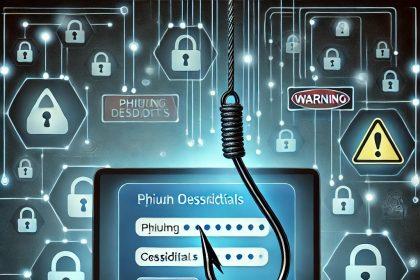
Phishing is a form of social engineering where attackers impersonate legitimate organizations, colleagues, or executives to trick employees into revealing sensitive information or downloading malicious files.
Common phishing tactics include:
- Fake invoice requests
- Fraudulent password reset emails
- Business Email Compromise (BEC) scams
- Fake vendor communications
- Urgent payment requests from executives
Why Phishing Works
Hackers often rely on human error rather than technical vulnerabilities. A convincing email can persuade an employee to click a malicious link or provide login credentials, granting attackers immediate access to business systems.
How to Prevent Phishing Attacks
- Conduct regular employee cybersecurity training
- Implement email filtering solutions
- Verify financial requests through secondary channels
- Enable multi-factor authentication (MFA)
Ransomware Attacks on Businesses
What Is Ransomware?
Ransomware is malicious software that encrypts files and systems, preventing access until a ransom payment is made.
Modern ransomware attacks can:
- Lock critical business systems
- Disrupt operations
- Expose sensitive information
- Cause significant financial losses
How Ransomware Enters Networks
Attackers commonly gain access through:
- Phishing emails
- Compromised credentials
- Vulnerable software
- Unsecured remote access systems
Best Practices for Ransomware Protection
- Maintain offline and cloud backups
- Keep software updated
- Use endpoint protection solutions
- Limit administrative privileges
- Monitor networks for suspicious activity
Credential Theft and Password Attacks
Weak passwords remain one of the easiest ways for hackers to infiltrate business environments.
Common Credential-Based Attacks
Credential Stuffing
Attackers use passwords obtained from previous data breaches to access business accounts.
Brute Force Attacks
Automated tools repeatedly attempt password combinations until they gain access.
Password Spraying
Hackers try commonly used passwords across multiple user accounts.
Strengthening Password Security
Organizations should:
- Require strong password policies
- Implement multi-factor authentication
- Monitor for compromised credentials
- Use password managers
Exploiting Software Vulnerabilities
Cybercriminals constantly search for unpatched software and outdated systems.
Common Targets
- Operating systems
- Business applications
- Web servers
- Customer portals
- Network devices
- Cloud services
When vulnerabilities remain unpatched, attackers can exploit them to gain unauthorized access, install malware, or move laterally through a network.
Patch Management Best Practices
- Apply security updates promptly
- Maintain software inventories
- Remove unsupported applications
- Conduct regular vulnerability assessments
Remote Access Attacks
The rise of remote and hybrid work has increased the number of attack surfaces available to cybercriminals.
Frequently Targeted Systems
- Remote Desktop Protocol (RDP)
- Virtual Private Networks (VPNs)
- Remote management platforms
- Cloud collaboration tools
Securing Remote Access
Businesses should:
- Enforce MFA for remote connections
- Restrict unnecessary access
- Monitor login activity
- Use secure VPN solutions
- Regularly review user permissions
Supply Chain Attacks
Hackers increasingly target third-party vendors to gain access to multiple organizations simultaneously.
How Supply Chain Attacks Work
Instead of attacking a company directly, cybercriminals compromise:
- Software providers
- Managed service providers (MSPs)
- Contractors
- Cloud service platforms
Once trust is established between organizations, attackers can leverage that relationship to infiltrate business networks.
Reducing Supply Chain Risk
- Assess vendor security practices
- Review third-party access privileges
- Monitor vendor activity
- Include cybersecurity requirements in contracts
Insider Threats
Not all cybersecurity threats originate outside the organization.
Types of Insider Threats
Malicious Insiders
Employees or contractors who intentionally steal or expose sensitive information.
Negligent Insiders
Individuals who accidentally create security risks through poor cybersecurity practices.
Mitigating Insider Risks
- Implement least-privilege access controls
- Monitor sensitive systems
- Conduct security awareness training
- Establish clear security policies
Cloud Security Threats
As organizations increasingly migrate to cloud platforms, cloud-based attacks continue to rise.
Common Cloud Vulnerabilities
- Misconfigured storage environments
- Weak access controls
- Excessive permissions
- Poor identity management
Cloud Security Best Practices
- Enable MFA
- Encrypt sensitive data
- Conduct regular access reviews
- Monitor cloud environments continuously
Distributed Denial-of-Service (DDoS) Attacks
A Distributed Denial-of-Service (DDoS) attack overwhelms online services with massive amounts of traffic, making websites and applications unavailable to legitimate users.
Business Impact of DDoS Attacks
- Revenue loss
- Customer dissatisfaction
- Operational disruption
- Brand reputation damage
Organizations with customer-facing platforms should implement DDoS mitigation strategies and work with providers capable of handling large traffic surges.
Why Small Businesses Are Prime Targets
Many SMEs mistakenly believe hackers only pursue large corporations. In reality, smaller organizations often represent easier opportunities because they may lack:
- Dedicated cybersecurity staff
- Advanced security tools
- Employee security training
- Formal incident response plans
Cybercriminals frequently automate attacks, meaning businesses of any size can become targets.
Essential Cybersecurity Measures for Businesses
Every organization should implement the following foundational protections:
- Multi-factor authentication on all critical accounts
- Regular software patching and updates
- Employee cybersecurity awareness training
- Endpoint protection and anti-malware solutions
- Secure and tested backups
- Network monitoring and threat detection
- Access control and privilege management
- Incident response planning
Strengthening Endpoint Protection Across Multiple Devices
Businesses with multiple employees often struggle to manage cybersecurity consistently across all endpoints. Implementing centralized anti-malware protection helps ensure every device receives the same level of security.
Organizations seeking scalable protection should consider solutions that support multiple devices under a single license. SpyHunter’s Multi-License feature allows businesses to protect multiple endpoints while simplifying security management and reducing administrative complexity.
Businesses can learn more and purchase SpyHunter Multi-License protection here.
Conclusion
Hackers target businesses through a wide range of techniques, including phishing attacks, ransomware, credential theft, software vulnerabilities, supply chain compromises, and cloud security weaknesses. While the tactics continue to evolve, many successful attacks still exploit basic security gaps that organizations can address through proper planning and cybersecurity best practices.
By investing in employee training, implementing strong authentication measures, maintaining updated systems, and deploying reliable endpoint protection, businesses can significantly reduce their exposure to cyber threats.
Cybersecurity is no longer optional—it is a critical business function that protects your data, operations, customers, and long-term success.
Protect Your Business’ Cybersecurity Now!
Protect your business from evolving cyber threats with our tailored cybersecurity solutions designed for companies of all sizes. From malware and phishing to ransomware protection, our multi-license packages ensure comprehensive security across all devices, keeping your sensitive data safe and your operations running smoothly. With advanced features like real-time threat monitoring, endpoint security, and secure data encryption, you can focus on growth while we handle your digital protection. **Request a free quote today** for affordable, scalable solutions and ensure your business stays secure and compliant. Don’t wait—get protected before threats strike!
Keeping Your Business Safe Online
Browser Hijacker and malicious websites pose more and more dangers to modern businesses. Our cybersecurity experts have highlighted five websites that have become risky environments for businesses due to weak security practices, aggressive tracking behavior, and exposure to scams or malicious activity. These platforms are described as unsafe not only for casual users but also for organizations that could unknowingly leak sensitive data, suffer phishing attacks, or be exposed to malware through their use. To understand the specific websites involved and the detailed risks they pose, we strongly encourage reading our full guide here.